
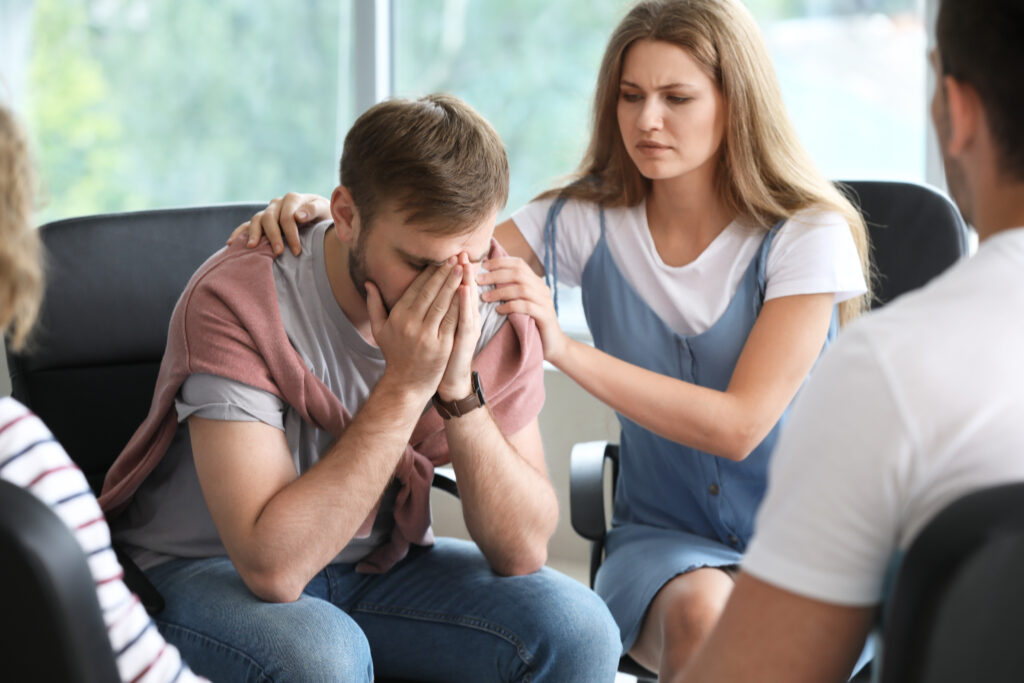
Addiction doesn’t happen in isolation—it ripples through every aspect of a person’s life, including their most intimate relationships. For married couples or partners in a committed relationship, addiction’s impact can be devastating. Trust can erode, communication often breaks down, and the shared stability that anchors a partnership may crumble. However, healing is possible. With the right support and resources—such as couples therapy for addiction in PA—relationships can find a path to recovery alongside the individual addressing substance abuse.
If you or your partner are navigating the challenges of addiction and seeking ways to rebuild your relationship, this article offers insights into how addiction impacts marriages, the importance of healing during early recovery, and steps to repair and strengthen your relationship.
How Addiction Impacts Marriages
When addiction enters a marriage or relationship, it doesn’t just disrupt the life of the individual struggling with substance abuse—it affects both partners and the relationship itself. Depending on the severity of addiction, some common issues that arise in marriages include:
1. Erosion of Trust
Trust is the foundation of any successful marriage. However, addiction can lead to dishonesty, secrecy, and broken promises. Partners may lie to hide their substance use, or they might make commitments to stop or seek help but fail to follow through, further damaging trust.
2. Breakdowns in Communication
In relationships affected by addiction, honest and effective communication often becomes rare. Feelings of frustration, anger, or resentment may leave one or both partners reluctant to share their thoughts and emotions. Unaddressed concerns can escalate conflicts or lead to emotional distance.
3. Financial Problems
Addiction can have significant financial implications. Money spent on substances, legal fees, or addiction-related medical expenses often strains the couple’s finances, leading to additional tension and stress.
4. Codependency
When one partner becomes overly focused on trying to control the other’s addiction, codependent tendencies may form. While it stems from a desire to help, codependency often damages the relationship and hinders both partners’ ability to grow individually.
5. Emotional Trauma
Addiction often puts partners on an emotional rollercoaster. Suspicion, fear, and feelings of betrayal take a toll over time. This type of trauma can create long-lasting emotional scars if left unaddressed.
According to the National Institute on Drug Abuse (NIDA), strong family and partner relationships improve treatment engagement and outcomes for those struggling with addiction. When relationships aren’t nurtured during recovery, the risk of relapse may increase, emphasizing the need to prioritize healing as a couple.
Early Recovery and Marriages: Picking Up the Pieces
For partners grappling with addiction recovery, the early stages can be particularly delicate. Early recovery isn’t just about sobriety for the individual battling addiction—it’s a time for both partners to learn new ways to support one another, rebuild trust, and establish healthy dynamics moving forward.
1. Healthy Communication Is Non-Negotiable
In early recovery, couples must commit to honest, open communication. Discuss progress, concerns, and emotions respectfully and without fear of judgment. This is the foundation not only for sobriety but also for a strong partnership.
2. Relearn How to Be a Team
Addiction often turns partners into adversaries rather than allies. Rediscover your ability to work together by emphasizing teamwork, emotional support, and shared goals in recovery.
3. Prioritize Therapy for Both Individuals and as a Couple
Couples therapy for addiction in PA can be a transformative tool for healing relationships in recovery. It provides a neutral space to work through issues stemming from addiction while fostering deeper understanding and strategies to move forward.
Substance Abuse Recovery and Healing Relationships
Rebuilding a marriage after addiction takes time, dedication, and professional support. Addiction inflicts wounds that can’t be healed overnight, but there are important steps you can take to strengthen your bond throughout recovery:
1. Rebuild Trust Through Consistency
Trust is rebuilt through consistent action over time. For the person recovering from addiction, this means committing to the recovery process, staying sober, and maintaining honesty with your partner. For the partner not struggling with substance abuse, practicing patience and setting healthy boundaries are crucial steps.
2. Address Underlying Issues
Addiction often stems from trauma, stress, or unresolved mental health issues. Couples also bring their own history and challenges into the relationship. Substance abuse recovery and healing relationships must involve addressing both the addiction and its root causes, which is often done through individual and couples therapy.
3. Rediscover Intimacy
Addiction creates emotional and physical distance in many marriages. Rebuilding intimacy requires effort. Therapy can guide couples in regaining emotional connection, which often naturally leads to a revitalized physical bond.
4. Seek Professional Support
Healing isn’t simple, but you don’t have to do it alone. At Water Gap Wellness Center, our couples therapy programs in PA are specifically designed to help couples heal while focusing on addiction recovery.
How Couples Therapy for Addiction in PA Can Help
Couples therapy plays a pivotal role in helping relationships recover and thrive after addiction. By working with skilled therapists who specialize in addiction and relationships, couples can learn to adapt and grow during this transformative period.
Some key components of effective couples therapy for addiction include:
- Enhancing Communication Skills: Therapy provides tools to help couples discuss feelings, concerns, and goals constructively.
- Establishing Healthy Boundaries: Partners learn to identify and maintain boundaries that support recovery without enabling addiction.
- Strengthening Emotional Bonds: Therapy addresses the emotional distance caused by addiction, creating opportunities to deepen connections.
- Building a Recovery Partnership: Couples work together to establish shared goals, support mechanisms, and a plan for long-term sobriety.
Take the First Step Toward Healing Your Relationship
Addiction may strain marriages and relationships, but it doesn’t have to lead to their end. With the right support and commitment, couples can heal, rebuild trust, and create a stronger, healthier partnership.
Navigating addiction recovery and healing relationships is no small task, but you don’t have to do it alone. At Water Gap Wellness Center, we specialize in therapeutic approaches tailored to the unique challenges couples face during and after addiction treatment. Whether you’re seeking couples therapy for addiction in PA or personalized support for substance abuse recovery, we’re here to guide you every step of the way.
Contact Water Gap Wellness Center today and take the first step toward healing your relationship and rediscovering hope. Together, recovery and reconnection are possible.